Car Maintenance & Care
9 Signs Your Car Battery Is Dead or Dying
 Auto Talab
Mar 28, 2026
Auto Talab
Mar 28, 2026
Auto Talab
Mar 28, 2026
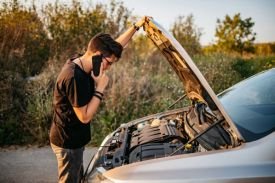
Your car battery is the heart of your vehicle’s electrical system. It powers everything from the engine to the lights. But like any other vehicle component, it has a limited lifespan. While most batteries last 3 to 5 years, factors like driving habits and weather conditions can shorten that time. Noticing the signs of a dying battery early can save you from the frustration of unexpected breakdowns in the middle of nowhere. The most common signs of a dying or dead car battery are:
Slow Engine Crank
The first sign a car battery is dead or dying is a slow engine crank. It points out that the engine struggles to start or takes longer than usual to turn over. It can happen in any weather, but it’s more noticeable in cold temperatures.
Warning Light On The Dashboard
A lit battery dashboard indicator can also be the first sign. The illuminated battery light suggests a loose cable, an alternator issue, bad wiring, or a dying battery. The "Check Engine" light can also signal a bad car battery, even though it generally points out a general issue.
Electrical Issues
Signs of a dead or dying car battery often include electrical problems that affect components and systems of the car. When the battery struggles to deliver enough power, components start to malfunction. Here are some of the specific electrical problems that show a dead or dying car battery:
Radio malfunction
Windshield wipers do not operate correctly
Power window controls fail
Heated seats do not activate
Electronic windows do not function
Sunroof operation is affected
Cell phone charging fails
Dim Headlights
Dim headlights are another sign of a dead or dying car battery. When the battery can’t deliver enough power, headlights and interior lights lose brightness. Headlights appear duller and dimmer than normal. Headlamps adjust brightness randomly or do not turn on at all.
Corrosion On The Battery Connectors
Corrosion on car battery connectors, often seen as a blue-green powder, crystal-like substance, or white, ashy residue on terminals, is a sign of a dead or dying car battery. Battery acid sometimes leaks at the connectors. When the acid hardens, it lowers contact between terminals and connecting points. Which eventually decreases the battery's ability to recharge via the vehicle's alternator.
Bad Smell
A rotten-egg smell indicates a dead or dying car battery. A dying lead battery produces hydrogen sulfide gas. Hydrogen sulfide gas smells like rotten eggs, a sewer, or well water. Here, the stink of sulfur indicates leaking battery acid. And leaking battery acid can be a top sign of a dying car battery.
Swollen Battery
A swollen battery can be a clear sign that a car battery is dead or dying. Extreme heat or cold usually causes a battery case to swell, bulge, or crack. Generally, a swollen battery or a cracked case is dangerous because it can leak battery acid.
Old Age
One of the most straightforward signs of a dying battery is age. Most car batteries typically last for three to five years. Though driving conditions, regional temperatures, driving habits, and weather conditions can shorten this lifespan. If your battery is four years old or more, it’s worth checking the manufacturing date on the case and getting it tested.
Frequent Jump Starts
Frequent jump-starts are a strong sign that a battery is near the end of its life. If your battery is more than three years old and keeps requiring a jump-start, it’s probably time to replace it.
Car batteries are not a big deal once you know what to look for. Recognizing the warning signs early and respecting the battery’s natural lifespan can help you keep your car reliable and safe. Although diagnosing a dead or dying battery isn’t always obvious. Sometimes a car requires a jump-start if the lights remain on or a door stays ajar overnight. For that reason, when you’re in doubt, seeing an expert will be the most appropriate thing to do.
What Should You Do When Your Car Battery Is Dead?
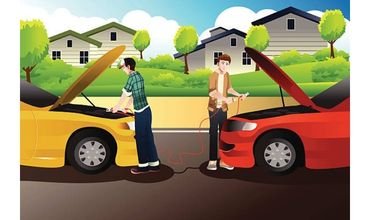
When a car battery is dead, the immediate actions are to jump-start the vehicle or use a portable jump pack. In doing so, the vehicle requires jumper cables and a donor car. Below are the steps for jump-starting a dead car battery :
Position both vehicles close enough for the cables to reach, but don’t let the cars touch.
Connect a positive (+) jumper cable to the positive terminal of the dead battery. Then connect the same cable to the positive terminal of the working battery.
Connect a negative (-) jumper cable to the negative terminal of the dead battery. Then also connect it to the negative terminal of the working battery.
Start the working car and let it run for a few minutes.
Try starting the dead car.
After a successful jump-start, drive for at least 15-20 minutes so that the alternator can recharge the battery. After that, have the battery tested or replaced at a service center.
Which Car Battery Brand Is the Most Reliable?
No single car battery brand is universally the most reliable. Car battery reliability mostly depends on specific vehicle type, usage patterns, local environmental conditions, and the electronics the vehicle runs. Performance can also vary in battery performance across different sizes and from year to year. This variation prevents simple brand or model recommendations. But in certain regions, such as Kuwait, brands like Amaron, Exide, Varta, Bosch, and Motorcraft receive praise for durability. These brands offer warranties up to 3-4 years.
How Many Types of Car Batteries Are There?
There are four main types of car batteries commonly used in vehicles today. These types are Flooded Lead-Acid, Absorbent Glass Mat (AGM), Gel Cell, and Lithium-Ion. Also, three of the most common automotive batteries predominately used today include Calcium (Maintenance Free), EFB (Enhanced Flooded Battery), and Absorbent Glass Mat (AGM).
Where Can You Buy a Car Battery in Kuwait?
In Kuwait, you can buy a car battery from specialized stores, auto parts shops, authorized brand dealers, and online platforms. For offline shopping, most of these stores are clustered in the Shuwaikh Industrial area. Offline options include specialized stores, auto parts shops, and authorized brand dealers. An offline store visit allows physical car battery inspection and expert recommendations. There you can inspect batteries in person, get expert advice, and have the battery installed on the spot. On the other hand, if you prefer shopping from home, online platforms offer a popular method for car battery purchase. Online shopping allows comparison of car batteries and their prices from home. Autotalab is one option with fast delivery, and Gayar's website carries brands like Amaron with stock available for immediate purchase.


At Autotalab, we're Kuwait's premier destination for on-demand car services.


