Car Maintenance & Care
Should You Use a Car Cover in Kuwait? Pros and Cons of Sun Protection Covers
 Auto Talab
Mar 25, 2026
Auto Talab
Mar 25, 2026
Auto Talab
Mar 25, 2026
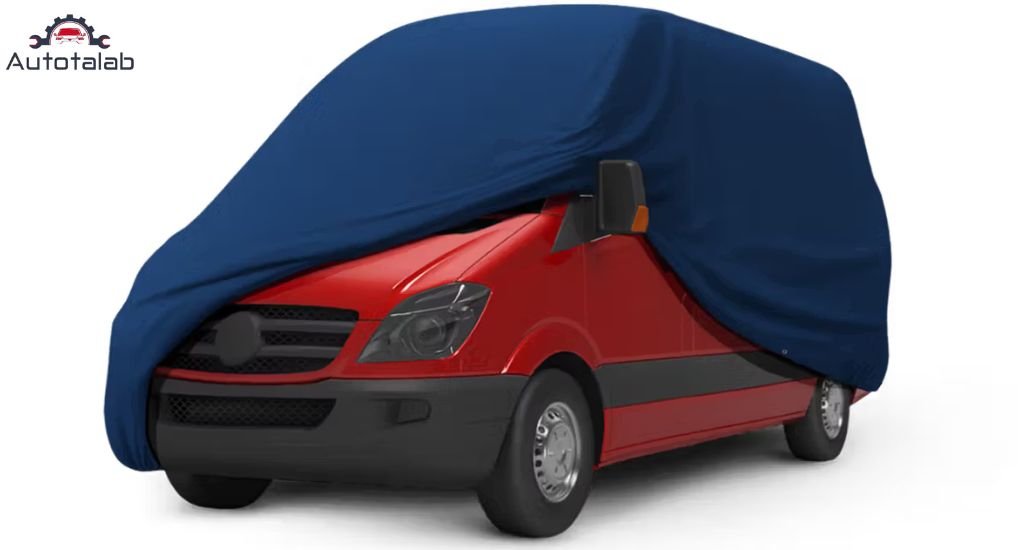
Have you ever parked your car under the open sun in Kuwait and returned to find the interior unbearably hot and the exterior coated with dust? For many drivers, this is a daily experience. The intense heat and constant exposure to sunlight raise an important question—should you use a car cover to protect your vehicle?
In Kuwait’s extreme climate, where temperatures can exceed 50°C and dust is a constant presence, protecting your car is not just about appearance. It directly affects performance, longevity, and reliability. At Autotalab, we aim to provide practical, evidence-based advice to help you make informed decisions about car care in these demanding conditions.
Understanding Kuwait’s Climate and Its Impact on Vehicles
Kuwait’s weather creates a harsh environment for any vehicle. The combination of extreme heat, ultraviolet (UV) radiation, and airborne dust accelerates wear and tear.
Research indicates that prolonged exposure to UV rays can degrade car paint and interior materials within months. Additionally, interior temperatures can rise up to 20°C higher than the outside temperature when parked under direct sunlight.
Dust also compounds the problem by settling on surfaces and entering small gaps, affecting both aesthetics and functionality.
What Is a Car Cover and How Does It Work?
A car cover is a protective layer designed to shield your vehicle from environmental elements. It acts as a barrier between your car and external factors such as sunlight, dust, and debris.
High-quality covers are typically made from breathable materials. This allows moisture to escape while preventing dust from entering.
Think of a car cover as sunscreen for your vehicle—it reduces exposure to harmful elements but must be used correctly to be effective.
Pros of Using a Car Cover in Kuwait
Protection from Extreme Sunlight
One of the biggest advantages of using a car cover is protection from direct sunlight. UV rays can fade paint, crack dashboards, and damage upholstery.
A cover significantly reduces this exposure, helping maintain your car’s appearance and structural integrity.
Reduced Interior Heat
A covered car stays noticeably cooler than one exposed to direct sunlight. This protects sensitive components such as the battery and electronic systems.
Lower interior temperatures also reduce stress on your air conditioning system.
Dust and Sand Prevention
Car covers act as a barrier against fine desert dust. This helps keep your car cleaner for longer and reduces the need for frequent washing.
Less dust buildup also means fewer chances of particles entering critical systems.
Protection from Minor Scratches
Covers can shield your car from small debris and accidental scratches, especially in open parking areas.
Cons of Using a Car Cover
Risk of Scratches if Used Incorrectly
If a car cover is placed on a dirty surface, trapped dust particles can act like sandpaper. This may cause micro-scratches on the paint.
Proper cleaning before covering is essential to avoid this issue.
Inconvenience in Daily Use
Using a car cover requires time and effort. For daily commuters, repeatedly covering and uncovering the car may feel inconvenient.
Moisture Trapping Concerns
Low-quality covers may trap moisture, especially during humid conditions. This can lead to mold or corrosion over time.
Choosing a breathable cover is crucial to prevent such problems.
Not Ideal During Strong Winds
In windy conditions, improperly secured covers may shift or come off. This reduces their effectiveness and may even cause damage.
When Should You Use a Car Cover?
Car covers are not always necessary. Their effectiveness depends on your parking situation and driving habits.
Ideal Situations
Parking outdoors for long periods
Leaving the car unused for several days
Exposure to direct sunlight without shade
Situations Where It May Not Be Needed
Parking in covered garages
Short-term parking in shaded areas
Frequent daily use where convenience is a priority
Step-by-Step Guide to Using a Car Cover Properly
Step 1: Clean Your Car
Before placing the cover, ensure your car is free of dust and dirt. This prevents scratches.
Step 2: Choose the Right Cover
Select a breathable, heat-resistant cover designed for desert climates.
Step 3: Secure the Cover
Make sure the cover fits properly and is secured to prevent movement during wind.
Step 4: Remove Carefully
When removing the cover, fold it inward to avoid spreading dust onto the car.
Step 5: Store Properly
Keep the cover in a clean, dry place when not in use.
Following these steps ensures maximum protection and minimizes potential drawbacks.
Alternative Sun Protection Methods
If a car cover is not suitable for your routine, consider these alternatives:
Parking under shaded structures
Using windshield sunshades
Applying ceramic coatings or UV-protective films
These options can complement or replace the use of a car cover, depending on your needs.
When Professional Help Becomes Necessary
Even with protective measures, prolonged exposure to Kuwait’s climate can lead to deeper issues. If you notice persistent paint damage, electrical issues, or overheating, it may require professional inspection.
In such cases, seeking Car repair in Kuwait becomes essential. Experts can assess damage caused by heat and dust, ensuring your vehicle remains reliable and safe.
Expert Tips for Maximizing Car Protection
Combine Protection Methods
Using a car cover along with shaded parking provides better results than relying on a single method.
Inspect Your Car Regularly
Check for signs of wear, such as faded paint or cracked interiors.
Maintain Your Cooling System
Heat protection is not just external. Ensure your engine cooling system is functioning properly.
Clean Your Car Frequently
Even with a cover, occasional cleaning is necessary to remove trapped dust.
Conclusion
Using a car cover in Kuwait can be a highly effective way to protect your vehicle from extreme sunlight and persistent dust. However, its benefits depend on proper usage and your daily driving habits.
By understanding the pros and cons, you can decide whether a car cover fits your lifestyle. Combining it with other protective measures ensures better results in Kuwait’s challenging climate.
Regular maintenance and timely inspections remain essential. When deeper issues arise, professional Car repair in Kuwait ensures your car continues to perform reliably.
At Autotalab, we believe that informed decisions and consistent care are the foundation of long-lasting vehicle performance, even under the toughest conditions.

At Autotalab, we're Kuwait's premier destination for on-demand car services.


