Car Maintenance & Care
Jump Start Car: What It Is, Why and When a Car Needs It
 Auto Talab
Mar 27, 2026
Auto Talab
Mar 27, 2026
Auto Talab
Mar 27, 2026
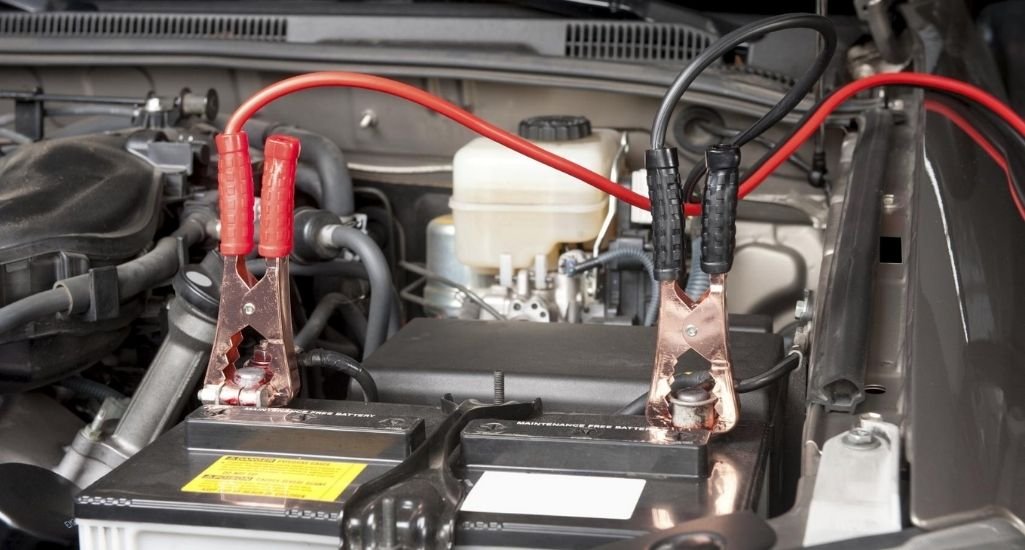
A jump start is a method used to start a car when its battery no longer has enough power to run the starter motor and ignition system. Power is temporarily supplied from another vehicle or a portable jump starter, allowing the engine to start and the alternator to recharge the battery. Batteries usually die due to lights being left on, extreme heat, old age, alternator issues, or corrosion. Common signs include clicking sounds, dim lights, and slow cranking. Proper tools and correct cable connections ensure safety. Regular maintenance, battery testing, and timely replacement help prevent unexpected breakdowns and costly emergencies.
What Is a Jump Start Car and How Does It Work?
A jump start is a method used to start a vehicle when its battery no longer has enough power to crank the engine.
Your car battery supplies electrical power to:
The starter motor
Ignition system
Fuel injection system
Dashboard electronics
When the battery charge drops too low, the engine won’t start. A jump start temporarily transfers power from:
Another vehicle’s battery (using jumper cables), or
A portable jump starter
This extra power allows the starter motor to turn the engine over. Once running, the alternator recharges the battery—if the battery is still healthy.
Why Does a Car Need a Jump Start?
Several common reasons cause a car battery to die:
1. Leaving Lights or Electronics On
Headlights, interior lights, or infotainment systems left on overnight drain the battery.
2. Extreme Heat
In places like Kuwait, high temperatures accelerate battery fluid evaporation and internal damage.
3. Old Battery
Most car batteries last 2–3 years in hot climates.
4. Faulty Alternator
If the alternator isn’t charging properly, the battery won’t recharge while driving.
5. Corroded Battery Terminals
Corrosion prevents proper electrical flow.
How Can You Tell If Your Car Needs a Jump Start?
Watch for these signs:
Engine clicks but won’t start
Slow engine crank
Dashboard lights flicker
No sound when turning the key
Electrical systems (radio, windows) don’t work
If these symptoms appear suddenly, a jump start is usually the solution.
What Are the Different Types of Jump Start Methods?
1. Jumper Cables (Traditional Method)
Connect your battery to another vehicle’s battery.
Pros: Affordable and effective
Cons: Requires another vehicle
2. Portable Jump Starter (Booster Pack)
A compact power bank designed specifically for cars.
Pros: Safe and convenient
Cons: Needs to be pre-charged
3. Roadside Assistance
Professional service handles the process safely.
Best option if you're unsure or uncomfortable doing it yourself.
What Tools Are Needed to Jump Start a Car?
To jump start safely, you need:
Jumper cables (heavy-duty)
A working vehicle OR portable jump starter
Safety gloves
Safety glasses (optional but recommended)
Keeping these tools in your car can save you from stressful situations.
How Do You Safely Jump Start a Car?
Follow these steps carefully:
Step 1: Position the Vehicles
Park the working car close but not touching.
Step 2: Turn Off Both Cars
Step 3: Connect the Jumper Cables in This Order:
Red clamp to dead battery’s positive terminal (+)
Red clamp to working battery’s positive terminal (+)
Black clamp to working battery’s negative terminal (-)
Black clamp to unpainted metal surface on the dead car
Step 4: Start the Working Car
Let it run for 2–3 minutes.
Step 5: Start the Dead Car
Step 6: Remove Cables in Reverse Order
- Never let clamps touch each other during the process.
- After starting, drive for at least 20–30 minutes to recharge the battery.
How Can You Prevent Your Car Battery from Dying?
Prevention is always better than emergency fixes.
Smart Tips:
Turn off headlights before exiting
Avoid short trips (battery doesn’t fully recharge)
Clean battery terminals regularly
Test battery every 6 months
Replace battery every 2–3 years in hot climates
Heat is the biggest enemy of car batteries in Kuwait.
What Should You Do When Your Car Battery Dies?
Stay calm
Move vehicle to a safe location
Turn on hazard lights
Try jump starting
If it fails, call roadside assistance
Consider replacing the battery
If your battery repeatedly dies, replacement is the safest solution.
Which Car Battery Brand Can You Rely On?
Choosing a reliable battery brand ensures long-term performance.
Here are some trusted options:
These brands are known for durability and strong performance in extreme temperatures.
Where Can You Buy Car Batteries in Kuwait?
You can buy batteries from:
Authorized brand dealers
Local auto parts shops
Automotive service centers
Major automotive hubs in:
Kuwait City
Hawally
Farwaniya
Always check:
Warranty period
Manufacturing date
Installation service availability
What Is the Most Affordable Car Battery in Kuwait?
The most affordable option depends on:
Car type
Battery size (DIN or JIS)
Brand
Warranty
Budget-friendly brands often include Amaron and selected mid-range Bosch models.
However, remember:
The cheapest battery is not always the best value.
A slightly higher investment in a premium battery can save you money on breakdowns and frequent replacements.


At Autotalab, we're Kuwait's premier destination for on-demand car services.


