Car Maintenance & Care
8 Types Car Batteries: Which One Is Best for Kuwait?
 Auto Talab
Feb 24, 2026
Auto Talab
Feb 24, 2026
Auto Talab
Feb 24, 2026
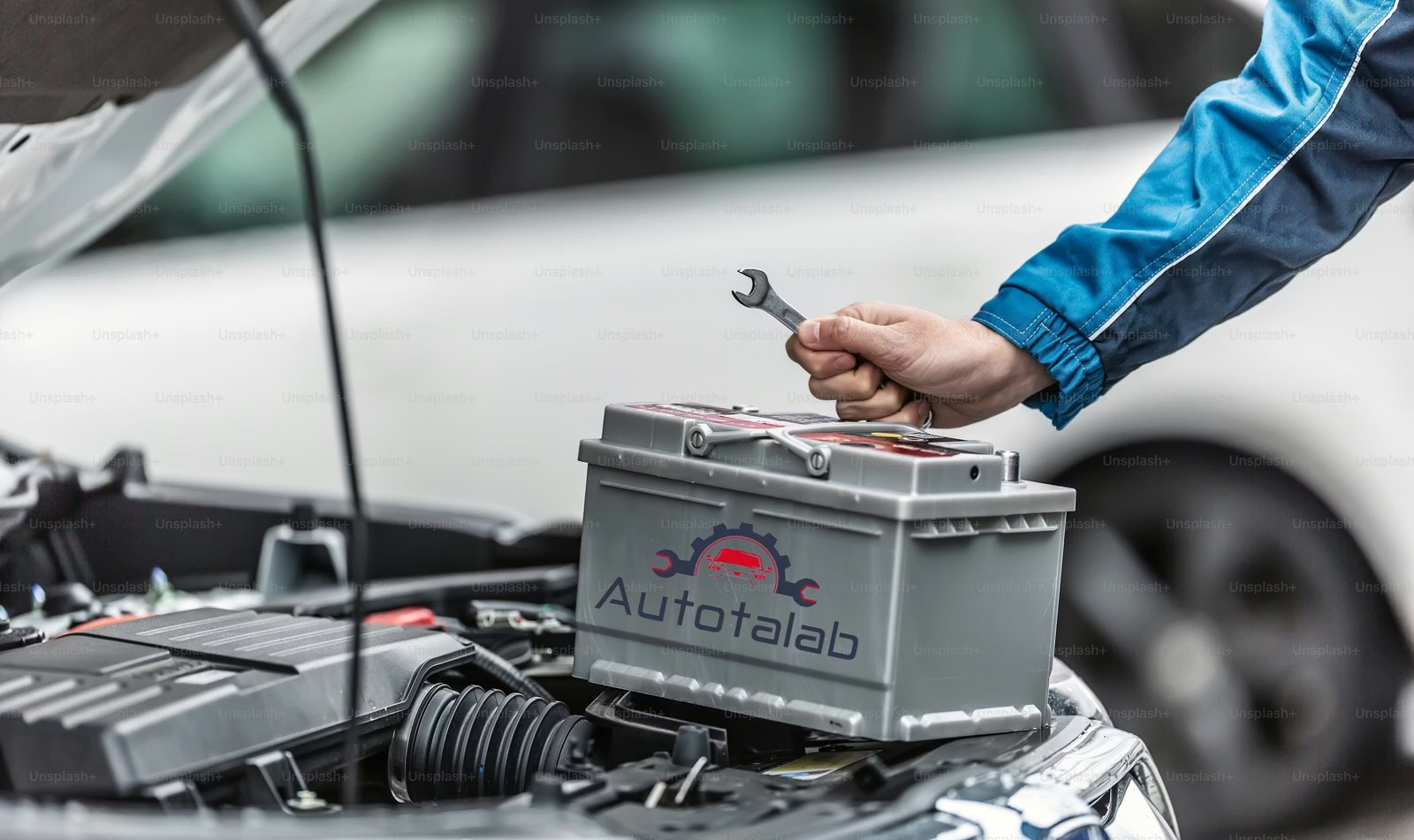
A car battery is a rechargeable device that stores and provides electrical energy to start a vehicle and power its electrical systems. Car batteries come in different types designed for various vehicle needs, maintenance levels and performance requirements. These battery types cover a wide range of applications, from conventional starter batteries to advanced systems for modern vehicles, solar power, inverters and backup use. Car battery selection depends on climate, vehicle type, usage patterns and maintenance preference. Car batteries like AGM batteries are suitable for extreme heat and high vibration environments like Kuwait, while lithium-ion options are lightweight with long cycle life. Its proper selection assures reliable performance, safety, and longevity.
8 battery types are listed below.
Flooded lead acid battery
Maintenance free lead acid battery
Absorbent glass mat
Enhanced flooded battery
Gel battery
Calcium calcium lead battery
Deep cycle or tubular battery
Lithium-ion 12V battery
1. Flooded lead acid batteries (FLA)
A flooded lead acid battery is a rechargeable electrochemical energy storage device that uses lead plates immersed in liquid sulfuric acid electrolyte. A flooded lead acid battery operates as a conventional wet cell and delivers electrical energy through a chemical reaction between lead and acid. It is known for low cost, reliable power output and strong surge current in automotive, marine and solar applications. A flooded lead acid battery includes vented caps for gas release, requires upright installation to prevent electrolyte leakage, contains free-flowing liquid electrolyte, and supports deep cycle discharge capability. Its maintenance includes monthly addition of distilled water, regular terminal cleaning, periodic equalizing charge, and proper ventilation during charging. A flooded lead acid battery offers the lowest purchase cost, durable performance with proper care and high load capacity. It requires gloves, goggles, ventilation, spark avoidance and upright positioning for safe usage.
2. Maintenance free lead acid battery
A maintenance free lead acid battery is a sealed lead acid type that contains an immobilized electrolyte in glass mats or gel form, which uses lead plates and sulfuric acid. It is known for convenience and reliability because gases recombine internally, which reduces the need to add water. Its key characteristics include sealed, leak proof design, low self discharge and vibration resistance. Maintenance free lead acid battery require cleaning terminals, avoiding overcharging and recharging during storage. It offers safer indoor use, no water refilling and long shelf life, though the cost is higher. Maintenance free lead acid battery users should wear gloves, secure ventilation while charging, avoid shorting terminals and dispose of them through recycling programs. This structure provides efficient power while minimizing upkeep, ideal for vehicles, UPS systems and marine applications.
3. Absorbent Glass Mat battery (AGM)
An absorbent glass mat is a valve regulated lead acid battery that uses fiberglass mats to hold the electrolyte between lead plates. It is known for high starting power, fast charging and strong performance in modern vehicles with many electrical accessories. Its key characteristics include sealed, spill proof design, low self discharge, vibration resistance and the ability to be mounted in various positions. Absorbent glass mat battery maintenance tips include using a compatible smart charger, avoiding overcharging or deep discharging, keeping terminals clean and storing it fully charged. It offers low maintenance, good cold cranking performance and suitability for start stop systems and backup power. It requires eye and hand protection, proper ventilation while charging, correct polarity connections and recycling at the end of life for safety purposes.
4. Enhanced Flooded Battery
An enhanced flooded battery is an improved wet lead acid starter battery designed for vehicles with start stop systems. It is known for higher cycle life and better charge acceptance, which allows more engine starts and stable power in heavy traffic. Its key characteristics include thicker plates, strengthened grids, improved electrolyte circulation and good performance over a wide temperature range. Enhanced flooded battery maintenance tips include checking electrolyte level where applicable, keeping terminals clean and tight, avoiding deep discharges and using a compatible charger. Enhanced flooded batteries offer a longer lifespan than standard flooded batteries, better vibration resistance and reliable cold starting. Its safe usage requires wearing eye and hand protection, which ensures ventilation during charging, prevents short circuits and recycles the battery responsibly at the end of life.
5. Gel battery
A gel battery is a sealed lead acid battery that uses a silica thickened gel electrolyte instead of liquid acid. It is known for reliable deep cycle performance, low maintenance and safe operation in sensitive or enclosed environments. Its key characteristics include spill proof, leak proof construction, low self discharge, vibration resistance and good performance over a wide temperature range. A gel battery requires using a charger with a correct gel setting, avoiding overcharging, preventing deep over discharge and keeping terminals clean. It offers long cycle life, minimal gas emission, flexible mounting positions and suitability for solar, marine and mobility applications. Gel battery users require eye and hand protection, good ventilation while charging, correct polarity connections and proper recycling at the end of service for safety.
6. Calcium calcium lead battery
A calcium calcium lead battery is a lead acid battery whose positive and negative grids both use lead calcium alloy instead of antimony. It is known for low water loss, low self discharge and long service life in automotive and standby applications. Its key characteristics include reduced gassing, good corrosion resistance, stable float performance and reliable cold cranking capability. Its maintenance tips include checking electrolyte, keeping terminals clean and tight, avoiding chronic under or over charging and recharging after deep use. Calcium calcium lead battery offers near maintenance free operation, longer life than conventional flooded types, better charge retention and good performance in storage. It requires eye and hand protection, correct polarity connection, ventilation during charging, which avoids sparks near vents and proper recycling for safe usage.
7. Deep cycle or tubular battery
A deep cycle or tubular battery is a lead acid battery designed to deliver steady power over long periods and to be regularly deeply discharged. It is known for robust cycling capability, high energy throughput and reliability in solar, inverter and traction applications. Its key characteristics include thicker or tubular positive plates, higher amp hour capacity and good recovery from deep discharge. Deep cycle or tubular battery maintenance tips include checking electrolyte levels, topping up with distilled water, cleaning terminals, tightening connections and using a correct multi stage charger. Deep cycle or tubular battery offers long cycle life, reliable backup during outages and suitability for frequent charge discharge use. It requires eye and hand protection, good ventilation while charging, correct polarity connection, which avoids sparks and responsible recycling.
8. Lithium-ion 12V car battery
A lithium-ion 12V car battery is a rechargeable battery that uses lithium-ion cells and a built-in battery management system to supply low voltage power for starting and vehicle electronics. It is known for high energy density, light weight, fast charging and long cycle life compared with lead acid types. Its key characteristics include stable 12 to 12.8 V output, low self discharge, compact size and integrated protection against over charge, over discharge and overheating. Lithium-ion 12V car battery maintenance tips include using only compatible lithium chargers, avoiding full discharge for long periods, keeping terminals clean and storing the battery partially charged in a cool, dry place. It offers weight reduction, quicker charging and longer service life. A lithium-ion 12V car battery requires correct polarity, which avoids physical damage, prevents overheating and follows the manufacturer's disposal instructions.
Which type of car battery is best for Kuwait?
AGM is the best choice for Kuwait because its sealed design, superior heat resistance and vibration tolerance help it survive the region’s extreme summer temperatures and rough roads better than conventional flooded batteries. It also offers strong starting power, low self discharge and maintenance free convenience, which suits busy drivers in harsh Gulf climates.
How will I know my car battery is dead?
To know your car battery is dead, check for slow engine cranking, dim or non-working lights and accessories, clicking noises without starting or a glowing battery warning light on the dashboard. A car battery jump starts if just slightly discharged, but repeated failures confirm it's dead and needs replacement.
How can I deal with a dead car battery?
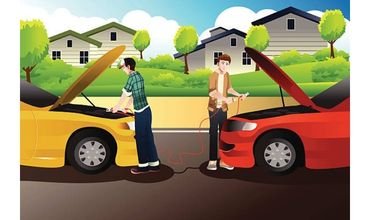
To deal with a dead car battery, you have to park a working vehicle nearby, turn off both ignitions and connect jumper cables. These cables connect red to the dead battery's positive (+), red to the good battery's (+), black to the good battery's negative ( ) and black to unpainted metal on the dead car's engine. You should start the good car, then start the dead one, drive 20 to 30 minutes and if it fails, replace the battery.


At Autotalab, we're Kuwait's premier destination for on-demand car services.


