Car Maintenance & Care
Slow Engine Crank: Common Causes and How to Fix It Fast
 Auto Talab
Feb 22, 2026
Auto Talab
Feb 22, 2026
Auto Talab
Feb 22, 2026
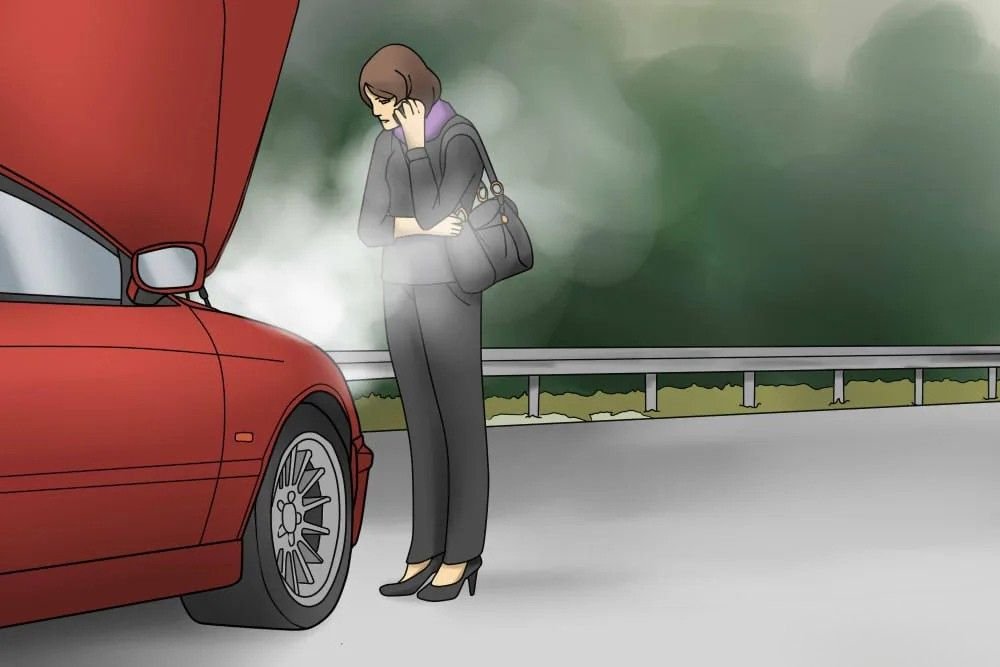
A slow engine crank is one of the most stressful moments a driver can experience in Kuwait. You turn the key or press the start button, and instead of a confident roar, the engine struggles to come alive. In extreme summer heat, this hesitation can quickly become a serious concern, especially if you are stuck in traffic in Kuwait City or driving through a remote desert road. For many vehicle owners, the fear is not just inconvenience, but the risk of being stranded in harsh conditions. This guide, written on behalf of Autotalab, explains why slow cranking happens in Kuwait’s climate and how you can diagnose and fix it quickly before it turns into a breakdown.
What Is a Slow Engine Crank?
A slow engine crank occurs when the starter motor turns the engine over more slowly than normal during ignition. The engine may still start, but it sounds labored and delayed. In some cases, the vehicle fails to start at all. In Kuwait, this issue becomes more common during summer months when ambient temperatures can exceed 50°C, placing enormous strain on electrical and mechanical components.
Why Slow Engine Crank Is Common in Kuwait’s Climate
Kuwait’s environment creates a perfect storm for ignition problems. High heat accelerates chemical reactions inside batteries, causing faster degradation. According to automotive battery studies, sustained high temperatures can reduce battery lifespan by up to 30 percent compared to moderate climates. Fine desert dust also plays a role by accumulating on terminals and electrical connections, increasing resistance and reducing efficiency.
Stop-and-go traffic further worsens the problem. Short trips prevent the charging system from fully replenishing the battery, leading to gradual power loss. Over time, these factors combine to create slow cranking symptoms that drivers often notice first during the hottest part of the day.
Common Causes of a Slow Engine Crank
Weak or Degraded Battery
The most frequent cause of slow cranking is a weakened battery. Heat causes internal battery plates to corrode faster, reducing their ability to hold a charge. Many drivers assume batteries fail only in winter, but in Kuwait, summer heat is the real enemy. A battery may appear fine during inspection yet lack the cranking power needed to start the engine efficiently.
Corroded or Loose Battery Connections
Dust, humidity, and heat encourage corrosion on battery terminals. Even slight corrosion increases electrical resistance, which limits the power reaching the starter motor. Loose connections can have the same effect, creating intermittent starting issues that worsen over time.
Starter Motor Wear
The starter motor is a mechanical component exposed to high heat from both the engine and the environment. Over time, internal parts wear out, requiring more power to function. When the starter struggles, the engine cranks slowly even if the battery is in reasonable condition.
Charging System Issues
If the alternator is not supplying enough charge, the battery remains underpowered. This often goes unnoticed until slow cranking becomes frequent. In Kuwait’s driving conditions, alternators work harder due to air conditioning load and electrical accessories, increasing the risk of wear.
Quick DIY Diagnostic Steps You Can Do Anywhere
Step 1: Observe the Sound and Speed
Listen carefully when starting the car. A slow, dragging sound often indicates a battery or connection issue. A clicking sound may suggest insufficient power reaching the starter.
Step 2: Check Battery Terminals Visually
Open the hood and inspect the battery terminals. Look for white or greenish residue and ensure cables are firmly attached. Cleaning terminals with a basic battery-safe solution can immediately improve performance.
Step 3: Test Electrical Behavior
If dashboard lights dim significantly when starting, it usually indicates battery weakness. This simple observation can help rule out more complex mechanical problems.
Step 4: Consider Recent Driving Patterns
Frequent short trips in heavy traffic reduce charging efficiency. If your vehicle has mostly been driven in urban congestion, the battery may not be fully recharged between starts.
Understanding the Role of Car Batteries in Slow Cranking
In many cases, slow engine crank issues are directly linked to car battery health rather than major mechanical failure. Modern vehicles rely heavily on stable electrical output, and even minor voltage drops can affect starting performance. Car batteries in Kuwait endure extreme thermal stress, which makes routine inspection essential. When drivers understand how car batteries behave in hot climates, they are better equipped to prevent sudden failures and unnecessary garage visits.
When to Fix It Yourself and When to Visit a Garage
Simple issues such as dirty terminals or weak batteries can often be resolved without professional tools. However, if slow cranking persists after basic checks, professional diagnosis is recommended. Workshops in areas like Shuwaikh Industrial Area are equipped to test starter motors, alternators, and electrical load accurately. Delaying professional inspection may lead to complete ignition failure.
Expert Tips to Prevent Slow Engine Crank
Automotive technicians recommend routine battery testing before peak summer months. Keeping terminals clean and ensuring secure connections significantly reduces electrical resistance. Parking in shaded areas whenever possible lowers under-hood temperatures and slows battery degradation. Experts also advise avoiding unnecessary electrical load when starting the vehicle, such as turning off air conditioning before ignition.
Trusted External Resources for Further Reading
For deeper technical understanding, you may refer to the U.S. Department of Energy’s guide on vehicle electrical systems at energy.gov. Another helpful reference is the battery maintenance section on aaa.com, which explains how climate affects battery performance. These resources provide additional context and support the diagnostic steps discussed here.
Conclusion
A slow engine crank is an early warning sign that should never be ignored, especially in Kuwait’s demanding climate. High heat, desert dust, and heavy traffic place continuous strain on electrical components, making proactive care essential. By understanding common causes, performing quick diagnostics, and recognizing the role of car batteries in ignition performance, drivers can act before a minor issue becomes a major breakdown. Addressing slow cranking early not only improves reliability but also ensures peace of mind during Kuwait’s toughest driving conditions.


At Autotalab, we're Kuwait's premier destination for on-demand car services.


