Car Maintenance & Care
Steps to Take When Your Car Battery Is Dead
 Auto Talab
Feb 26, 2026
Auto Talab
Feb 26, 2026
Auto Talab
Feb 26, 2026
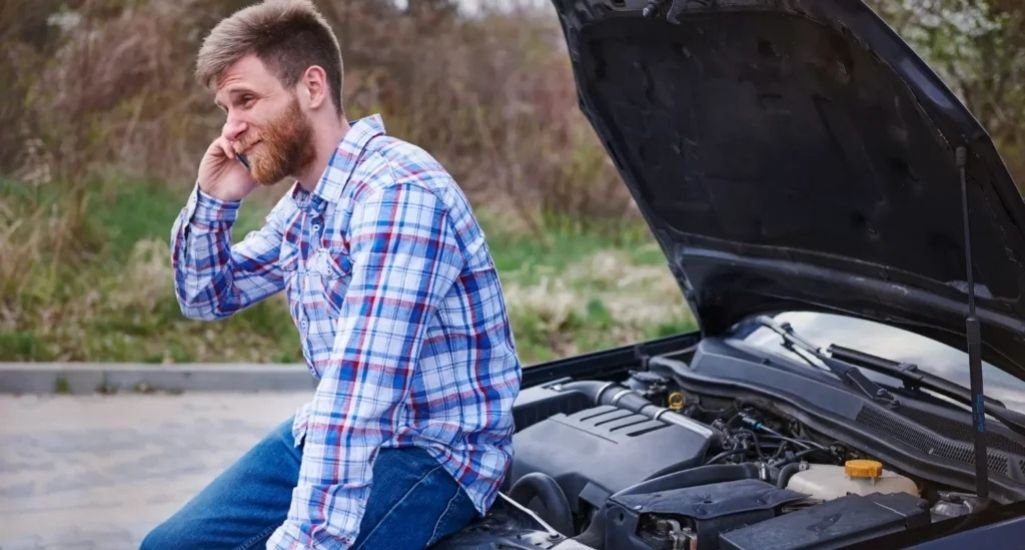
When your car battery is dead, follow a clear and safe process. First, prioritize safety by turning off the ignition, securing the vehicle, and checking for visible damage. Next, locate the battery and inspect the terminals for corrosion or loose connections. If safe, correctly connect jumper cables and start the working vehicle before attempting to start yours. Once running, drive for at least 20–30 minutes to recharge. If jump-starting is not possible, consider a portable booster. Seek professional help if the battery repeatedly fails or shows signs of damage.
1. Safety First
Before touching anything, make sure you are safe.
Park the vehicle on a flat surface.
Turn off the ignition completely.
Engage the handbrake.
Switch off headlights, AC, radio, and other electronics.
Wear gloves and protective eyewear if available.
Car batteries contain acid and release flammable gases. Never smoke near the battery, and avoid creating sparks. If you notice leaking fluid, a strong sulfur smell, or a swollen battery case, do not attempt to jump-start the vehicle. Seek professional assistance immediately.
2. Locate the Battery
In most vehicles, the battery is under the hood. In some models, it may be in the trunk or under a seat.
Open the hood and secure it properly.
Identify the battery (a rectangular box with two terminals).
Look for the positive (+) and negative (–) markings.
Check for corrosion around the terminals (white or green buildup).
Heavy corrosion or loose connections may prevent your car from starting. Cleaning minor corrosion can sometimes solve the issue, but severe damage may require battery replacement.
3. Connect the Cables
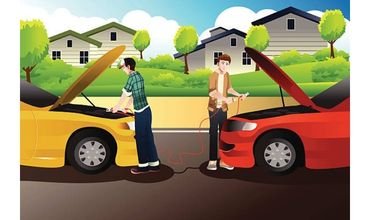
If you have jumper cables and access to a working vehicle, follow this exact sequence:
Attach the red clamp to the positive (+) terminal of the dead battery.
Attach the other red clamp to the positive (+) terminal of the working battery.
Attach the black clamp to the negative (–) terminal of the working battery.
Attach the remaining black clamp to an unpainted metal surface on the engine block of the dead car (not directly to the negative terminal).
Double-check the connections before proceeding. Incorrect cable placement can damage your vehicle’s electrical system.
4. Start the Cars
Start the working vehicle first.
Let it run for 2–3 minutes.
Try starting the car with the dead battery.
If it doesn’t start, wait a few more minutes and try again. Once the car starts:
Allow both vehicles to run for several minutes.
Remove the jumper cables carefully in reverse order.
If the engine still fails to start after several attempts, the battery may be fully depleted or defective.
5. Drive Immediately
After successfully starting the vehicle:
Drive for at least 20–30 minutes.
Avoid turning off the engine during this time.
Limit use of electrical systems such as AC and infotainment.
Driving allows the alternator to recharge the battery. However, if the battery is older than 2–3 years (especially in hot climates), it may not hold a charge and could fail again soon.
6. Consider Alternative Methods
If jumper cables are unavailable, you may try:
Portable Jump Starter
A battery booster pack can safely jump-start your vehicle without another car. This is a reliable emergency solution many drivers keep in their vehicles.
Push Start (Manual Transmission Only)
If your vehicle has a manual gearbox:
Turn the ignition on.
Push the car to gain momentum.
Release the clutch in second gear.
This method does not work for automatic vehicles and is not recommended for newer cars with advanced electronics.
7. Seek Professional Help
Sometimes a dead battery is a symptom of a larger problem. Contact a professional if:
The battery is swollen or leaking.
The car repeatedly fails to start.
Electrical components malfunction.
The battery dies again within a short time.
A proper diagnostic test can determine whether the issue is caused by:
A failing alternator
Parasitic battery drain
Wiring issues
Complete battery deterioration
Professional inspection ensures the root cause is correctly identified, preventing future breakdowns.
How Do You Handle a Dead Car Battery?
Handling a dead car battery properly can prevent further damage to your vehicle and keep you safe. Based on automotive best practices and real-world service experience, here is what you should do:
Stay Calm and Check the Symptoms
If your engine doesn’t start, you hear clicking sounds, or the dashboard lights are dim, the battery is likely the issue.Turn Off All Electronics
Switch off headlights, AC, radio, and other electrical components to reduce strain on the battery.Inspect the Battery
Check for loose terminals, corrosion, or visible damage. If the battery is swollen or leaking, avoid touching it and seek professional help.Jump-Start the Vehicle (If Safe)
Use jumper cables or a portable jump starter. Always connect cables in the correct order to prevent electrical damage.Drive After Starting
Drive the car for at least 20–30 minutes to allow the alternator to recharge the battery.Test the Battery
If the battery dies again shortly after, it may need replacement. A professional diagnostic test can confirm whether the issue is the battery, alternator, or wiring system.
In hot climates like Kuwait, batteries typically last 2–3 years due to extreme heat exposure. Regular testing reduces the risk of unexpected failure.
What Is the Most Trusted Car Battery Brand?
When it comes to reliability and performance—especially in hot climates like Kuwait’s—choosing a trusted car battery brand can make a big difference in how well your vehicle starts and how long the battery lasts. Among the top names recommended by automotive professionals and experienced drivers are the following:
1. Motorcraft
Motorcraft batteries are widely trusted for their durability and consistent performance. They’re often chosen for vehicles where long service life and reliable starting power matter most.
2. Black Panther
Black Panther batteries are popular for offering strong performance at competitive prices. They are designed to withstand frequent use and deliver dependable starting power, making them a favorite among everyday drivers.
3. Autoron
Autoron batteries are known for robust construction and good performance in challenging conditions. Many local vehicle owners trust this brand for long-term service and overall value.
4. VARTA
VARTA is a premium battery brand with a reputation for excellent engineering and long life. It performs well under demanding conditions and is a trusted choice for drivers who want reliable start power with fewer failures.
Where to Find Car Batteries in Kuwait?
If you are looking for reliable car batteries in Kuwait, Autotalab is a trusted name offering both online and offline battery solutions.
Autotalab provides high-quality car batteries suitable for various vehicle types, ensuring performance, durability, and compatibility with Kuwait’s extreme weather conditions.
Why Choose Autotalab for Car Batteries?
Wide range of trusted battery brands
Online ordering for convenience
Offline service and professional installation
Battery testing and diagnostics before replacement
Warranty-backed products for peace of mind
Whether you prefer ordering online or visiting a physical location for installation, Autotalab makes the process simple and reliable. Their experienced team helps you select the correct battery size and specification for your vehicle, ensuring long-lasting performance and safe installation.


At Autotalab, we're Kuwait's premier destination for on-demand car services.


