Car Maintenance & Care
Battery Recycling in Kuwait: Everything You Need to Know
 Auto Talab
Jun 20, 2025
Auto Talab
Jun 20, 2025
Auto Talab
Jun 20, 2025
Battery recycling in Kuwait refers to making use of different types of old batteries to save our environment. Each type has unique components, lifespans, and recycling requirements, making it essential to sort and handle them appropriately for safe and effective battery disposal in Kuwait.
Battery Recycling in Kuwait is very important for the protection of the environment, for the conservation of resources, and for sustainable growth. It avoids the toxins from landfills, captures valuable materials like lithium and cobalt, and decreases reliance on raw material imports. It also creates green jobs in a nation where recycling fits into the country's Vision 2035 for a more sustainable and diverse economy. Promoting recycling is crucial to help save Kuwait's environment and future.
Understanding Battery Types
Common types of batteries used in households and industries
1. Alkaline Batteries: An alkaline battery is a non-rechargeable and disposable battery. These popular household batteries can be used in a variety of products, including alarm clocks, calculators, flashlights, TV remote controls, radios, remote-control gadgets, children's toys, and more. A typical alkaline battery contains zinc and manganese dioxide, which can be toxic. The most common types of alkaline batteries are AA, AAA, C, D, and 9V.
2. Lithium-Ion (Li-ion) Batteries: Lithium-ion batteries are rechargeable, high-energy-density, and lightweight batteries. Lithium-ion batteries are found in smartphones to computers, electric vehicles, and wireless earphones. When handled incorrectly, lithium-ion batteries can overheat or even explode. As a result, they are equipped with built-in safety features, although they must still be handled with caution.
3. Lead-Acid Batteries: Lead-acid batteries are rechargeable and reliable batteries. They are composed of corrosive sulfuric acid and lead. These are located in various modes of transportation, including automobiles, boats, all-terrain vehicles, motorcycles, golf carts, wheelchairs, and other sizable vehicles.
4. Nickel-Cadmium (NiCd) Batteries: Nickel-cadmium batteries are rechargeable batteries, and cadmium is a highly toxic chemical. Strict recycling is mandatory for these batteries. These are commonly used in cordless power tools, cordless phones, digital and video cameras, two-way radios, biomedical equipment, and video cameras.
5. Nickel-Metal Hydride (NiMH) Batteries: Nickel metal-hybrid batteries are rechargeable and less toxic batteries. Once these batteries were more popular. You will commonly find these batteries in telephones, cordless power tools, digital cameras, and two-way radios.
The Environmental Impact of Improper Battery Disposal in Kuwait
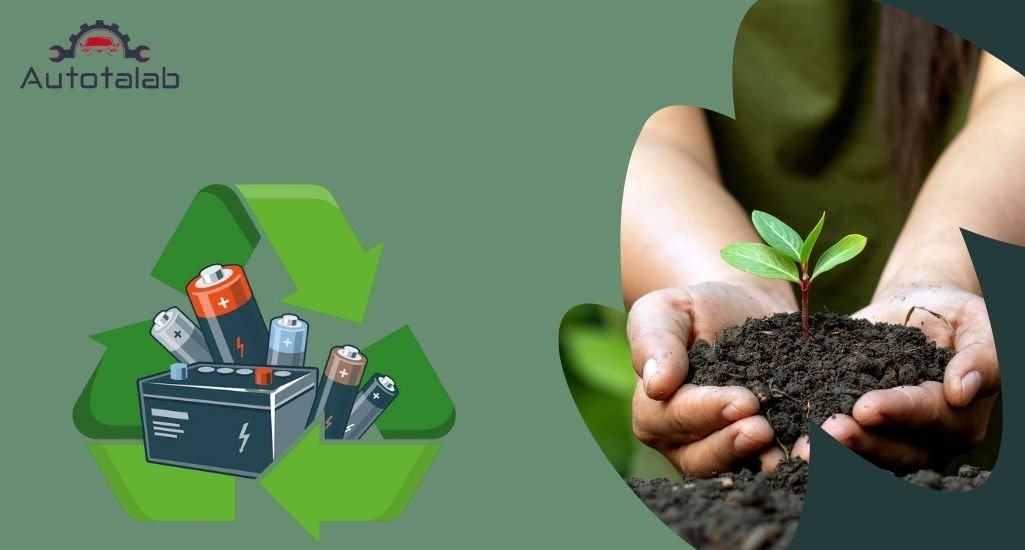
Harmful chemicals and their effects on the environment
The toxic chemicals found in batteries are detrimental to the environment and pose serious health concerns to humans. If batteries leak, then the chemicals directly go to the ground and make soil and water dirty and unsafe for plants, animals, and peopleLead and mercury exposure, for example, can cause neurological and developmental issues.
How improper battery disposal in Kuwait contributes to pollution and health risks
Soil contamination: When batteries wind up in landfills, they gradually degrade and release harmful substances into the ground. These toxic compounds can change soil composition, lowering fertility and polluting crops grown in affected areas.
Water pollution: Leachate, the liquid that drains into landfills, can transfer dissolved contaminants from batteries into groundwater and surface water, causing water pollution. This contamination impacts drinking water sources and aquatic ecosystems, threatening human health and wildlife.
Polluted air: Batteries that are not properly incinerated emit hazardous fumes and particulate matter into the atmosphere. These pollutants degrade the air quality and can cause respiratory problems in humans and animals.
Ecosystem Disruption: Toxic components from batteries can accumulate in the food chain, passing from plants and small organisms to larger predators. This bioaccumulation disrupts ecosystems and has the potential to cause the decline or extinction of sensitive species.
Health Risks: Touching or breathing these chemicals can cause skin burns, breathing problems, or even damage to organs. Also, Cadmium exposure is connected to kidney damage and bone fragility, whilst nickel and lithium can cause respiratory and skin problems.
Current Battery Recycling in Kuwait Initiatives
1. Government policies and regulations on battery recycling
The Environment Public Authority (EPA) was established in 1995 to safeguard the environment of Kuwait. This group monitors businesses and people for compliance with environmental laws. Penalty like a fine or other punishment will be given for violations of these guidelines.
Battery Waste Management Rules:
The Kuwaiti president has made rules and regulations for the proper collection, transportation, and recycling of used batteries to prevent environmental hazards from improper disposal in Kuwait.
2. Key organizations and companies involved in recycling efforts
TadwiRe: TadwiRe is the first major recycling company in Kuwait. It motivates businesses and individuals to recycle more and throw away less. The National SME Fund also comes in to help the business.
MRC: MRC (Metal & Recycling Company) is also a popular business partner for the government and the main industries, such as oil and gas. It helps them to dispose of their waste in a smart way and it is very clean manner.
Enviroserve Kuwait: Kuwait's first electronic waste recycling facility it's called Enviroserve Kuwait. It's finds new uses for old gadgets. It's helps create a cleaner future by reducing emissions.
Kuwait Factory for Spent Battery Recycling: Autotalab also ensures the vehicle's battery is disposed of safely, following environmental regulations. They follow Kuwait's environmental regulations and partner with certified recycling facilities. Lead-acid batteries are recycled in the Kuwait factory to reduce the waste of battery disposal in Kuwait. This is important because it saves valuable metals and prevents harmful pollutants from damaging the land.
3. Success stories and challenges faced in the region
Success - Eco Star: Fatemah Alzelzela founded Eco Star, a group that provides plants to individuals who recycle. By 2020, they had recycled a tremendous amount of plastic, paper, and metal.
Challenge - Low Recycling: In Kuwait, recycling the waste accounts for no more than 1 percent to 14 percent. More people have to find out how important recycling is.
Challenge - Pollution From Batteries: Old batteries left with dangerous chemicals pollute the soil and water. That is why battery recycling in Kuwait is important to maintain a safe environment.
How Battery Recycling in Kuwait Works
The process of collecting, sorting, and recycling batteries is called the battery recycling process.
Collecting and Sorting
The first step in battery recycling in Kuwait is to collect and categorize waste batteries by type. When it comes to this stage, a well-organized system is essential because different battery types (alkaline, lithium-ion, etc.) require distinct handling procedures to avoid cross-contamination. To that purpose, programs of battery recycling in Kuwait are an excellent initiative to begin. Autotalab supports these initiatives by ensuring the car batteries it replaces during servicing are sorted and sent to authorized recyclers, minimizing the environmental footprint.
These programs provide a variety of collection methods, including drop-off locations, curbside pickup, and dedicated recycling centers, so you may choose whichever is most convenient for you.
2. Prepare Batteries for Recycling
Before the collected batteries can be recycled, they must be treated according to their type, which is done using battery processing facilities. These facilities are critical in this regard since they are equipped with specific machinery and tools for battery breakdown and recycling.
First, the battery's external components, such as casings, labels, and plastic bits, are removed. After the process, the core components of the battery materials will be exposed, and the batteries will be carefully separated again according to their type to ensure efficient recycling of the various materials found in different types of batteries.
3. Recycling Techniques for Various Battery Types
After the batteries have been removed and sorted, the recycling process can start. In this situation, the method for recycling each one varies depending on the type.
4. Recovering Valuable and Recycled Materials
Once the recycling methods are accomplished. The recovery of valuable and recyclable items can begin. This battery recycling in Kuwait stage operates utilizing a variety of approaches, such as:
Refining: Refining involves purifying and separating recovered materials to ensure that they fulfill the reuse standards in various sectors, including battery production.
Purification: Purification is the process of removing contaminants from recovered metals and electrolytes to improve their quality and recyclability. The purified components can then be re-incorporated into new battery manufacture.
Solvent Extraction: Solvent extraction is a method for separating and recovering particular metals, such as lithium, cobalt, and nickel, from battery components.
Technologies and methods used in battery recycling in Kuwait
Mechanical isolation: Mechanical isolation is the separation by screens, magnets, and gravity of ingredients such as plastics, metals, and electrolytes.
Thermalization: Some techniques involve raising the temperature to melt or vaporize certain constituents of the batteries.
Hydrometallurgy: Hydrometallurgy refers to the dissolution and recovery of lithium, cobalt, nickel, etc., by an aqueous solution (acid or alkali).
Pyrometallurgy: Pyrometallurgy involves using high-temperature furnaces to recover metals from battery materials. It is a technique widely used in lead-acid and lithium-ion rechargeable batteries.
Benefits of Battery Recycling
1. Environmental benefits
Decreases Pollution: By recycling responsibly, the harmful substances (like lead, cadmium, and acid electrolytes are prevented from re-entering the soil, water, and atmosphere.
Metal Recycling: Metal recycling means there is less demand for high-energy mining and processing, further reducing the damaging effects on the atmosphere.
Conservation of Natural Resources: The recapturing of elements (lithium, cobalt, nickel, etc) reduces the need for extraction through mining, which protects finite resources.
Landfill-Reducing: Batteries are chock-full of toxic, non-biodegradable elements so recycling them helps keep them out of landfills and groundwater.
2. Economic Advantages
Resource Recovery: Recovered materials can be used not only in new batteries or electronics, but in other industries as well, reducing the necessity of importing raw materials at high cost.
Cost Savings: It may take some time to get recycling facilities up and running, but the cost of not disposing of all of our resources is worth it in the long run!
Job Creation: Local recycling facilities need employees to move things, do research, quality control, etc. Which creates local jobs and green jobs.
Supports Industry Expansion: With a constant source of recovered materials, battery manufacturers can control costs and meet increasing demand for batteries, especially in EVs and renewable energy.
3. Contribution to SDGs (Sustainable Development Goals)
Battery recycling in Kuwait is aligned with several of the UN Sustainable Development Goals, including:
SDG 12 (Ensure Sustainable Consumption and Production Patterns): Calling for the efficient use of resources and reduced production waste.
SDG 13 (Climate Action): Emissions reductions from energy savings, less demand on mining.
SDG 8 (Decent Work and Economic Growth): It was also the only sustainable development issue to significantly incentivize job creation in green sectors.
SDG 9 (Industry, Innovation and Infrastructure): Efficient recycling and sustainable industrial practices are promoted by SDG 9 (Industry, Innovation and Infrastructure).
SDG 6 (Clean Water and Sanitation): Preventing battery contaminants from reaching water sources is the objective of SDG 6 (Clean Water and Sanitation).
How Can You Get Involved?

1. Practical steps for individuals and businesses to recycle batteries
Isolate Used Batteries: Store used batteries in a marked, childproof container at home.
Trusted Collection Center: Deposit your batteries through an authorized collection center, retail take-back bins, or a household hazardous waste program.
Don't Dump Batteries in the Trash: Small batteries can also release harmful compounds in a landfill. Autotalab ensures that all vehicle batteries replaced at their service centers are handled by licensed disposal partners, so customers don't have to worry about improper dumping.
Shop Smart: Choose gadgets that come with rechargeable batteries or long-lasting batteries.
2. Locations and services available for battery collection in Kuwait
As the process of setting up its capabilities of battery recycling in Kuwait, there are some current and potential solutions.
Municipal waste collection centers: Check with your local government for proper battery disposal in Kuwait of used batteries. Some towns may recycle used batteries.
Environmental NGOS: NGOs such as the Kuwait Environmental Protection Society (KEPS) that provide awareness raising campaigns and can also receive e-waste and batteries.
Electronics Stores: Some large electronics retailers or service depots may offer take-back programs for unwanted, used, or obsolete electronics and batteries.
3. Tips to minimize battery waste and extend the life of your batteries
Use Battery-Saver Modes: Turn on battery-saving features on your mobile phone, laptop, and other handheld devices.
Acclimate Batteries Before Using Them: Leaving a battery in a charger will shorten its life.
Store Batteries Correctly: Remove any batteries from power tools and store them in a cool, dry location to prolong their shelf life.
Dispose of Dead Batteries Quickly: Do not accumulate old batteries in your house where they could leak.
Teach Others: Share knowledge with your family, friends, and colleagues.
If you are replacing your car battery, choose service providers like Autotalab, we handle battery disposal responsibly and in compliance with environmental laws.
The Future of Battery Recycling in Kuwait
1. Emerging technologies and advancements in recycling processes
Hydrometallurgy: Hydrometallurgy is a cleaner process for metal extraction than traditional smelting.
Immediate Recycling: Recycles without reprocessing battery components for immediate new use.
Biological routes: Bacteria are used for the recovery of rare metals in an eco-friendly way.
AI and automation: AI and automation speed sorting and increase recycling efficiency.
2. Potential for growth and innovation within the industry
Policy Support: Kuwait could soon see growth as new regulations come into place to bolster recycling efforts.
Invest in Infrastructure: Building modern recycling facilities will create jobs and reduce waste.
Publicity: Recycling rates may be increased with the help of educational programs.
Global Collaboration: Working with professionals can accelerate progress.
Conclusion
The recycling of batteries is vital for us to protect our environment, preserve valuable resources, and work toward a sustainable future. With the growing adoption of batteries, especially in electric vehicles and portable electronic products, reclamation and recycling are becoming more and more important.
Battery recycling not only helps reduce pollution and energy consumption, but it also yields valuable elements like lithium and cobalt that can be reused. It is also an economic boom, creating jobs and spurring green technologies.
Anyone can make a difference. As an individual or company, something as simple as keeping used batteries until you can bring them to a recycling center can make a world of difference, as can the switch to using rechargeable batteries whenever possible and recycling options available.
Let's start recycling your batteries today and be a part of the change.
Found this guide helpful? Share it with friends, family, or colleagues to spread awareness about battery recycling in Kuwait and support eco-friendly practices.


At Autotalab, we're Kuwait's premier destination for on-demand car services.


